When sourcing structural timber for floor systems, roof framing, beams or prefabricated construction, buyers often face the same challenge: how do you achieve reliable stiffness and consistent structural performance across every batch?
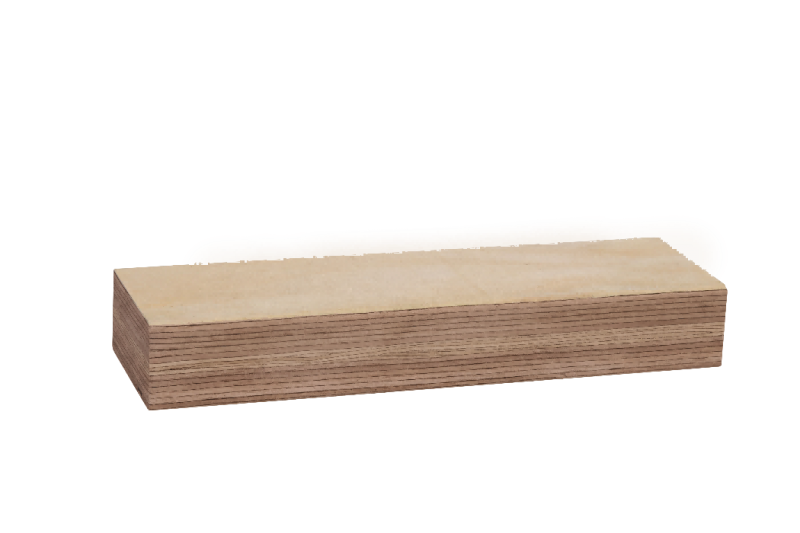
Natural solid timber can vary because of knots, grain deviation, moisture and other inherent characteristics. For projects where deflection control, dimensional accuracy and repeatable engineering performance matter, structural Laminated Veneer Lumber (LVL) provides a more predictable solution.
This is where E13 LVL comes into consideration.
E13 LVL is generally associated with an elastic modulus in the 13 GPa range, indicating a relatively high level of stiffness for structural applications. However, the E-rating alone does not tell the whole story. Buyers and engineers should also evaluate bending strength, shear strength, density, moisture content, bonding performance, dimensions, certification and the manufacturer’s verified design properties.
This guide explains what E13 means, where it is commonly used, how it compares with conventional structural timber, and what buyers should check when sourcing E13 structural LVL.
What Does E13 Mean in LVL?
The “E” in E13 refers to the Modulus of Elasticity (MOE), a key engineering property used to describe the stiffness of a structural material.
In simple terms, stiffness indicates how resistant a member is to bending or deflection under load.
For E13-class LVL, the modulus of elasticity is typically in the region of 13,000 MPa (13 GPa), subject to the manufacturer’s declared and verified product properties.
A higher E value generally means greater stiffness. This can be particularly important in applications where designers need to control:
Floor deflection
Beam movement
Structural vibration
Long-span performance
Dimensional accuracy
However, E13 should not be interpreted as a complete strength classification by itself.
MOE describes stiffness rather than every aspect of structural capacity. Bending, shear, compression, bearing and connection performance must also be considered when selecting LVL for a specific project.
Why LVL Offers More Consistent Performance
LVL is manufactured from multiple layers of selected wood veneers bonded together under controlled production conditions.
Compared with solid sawn timber, this engineered structure helps reduce the impact of natural variations such as knots and irregular grain.
For contractors, engineers and timber-frame manufacturers, this means greater consistency from one structural member to another and more predictable performance during design and construction.
Why Stiffness Matters in Structural LVL
A structural member must do more than simply resist failure.
In many floor and roof applications, serviceability is equally important.
A beam may have sufficient strength to carry its design load but still experience excessive deflection or vibration if its stiffness is insufficient.
This is one of the reasons E13 LVL is considered for demanding structural applications.
Higher and more consistent stiffness can help designers achieve:
Better deflection control
More stable floor systems
Greater design flexibility
Longer practical spans where engineering calculations permit
More predictable structural behaviour
This is particularly valuable in prefabricated and engineered timber construction, where dimensional consistency can directly affect manufacturing and installation efficiency.
E13 LVL vs Conventional Structural Timber
Both structural LVL and solid timber can be suitable building materials, but their characteristics are different.
| Performance Factor | E13 Structural LVL | Conventional Solid Timber |
| Stiffness | High and engineered | Depends on species and grade |
| Property Consistency | High | Naturally more variable |
| Dimensional Stability | High | Greater potential for movement |
| Long-Length Availability | Available depending on manufacturer | More dependent on log dimensions |
| Knots & Natural Defects | Effect reduced through engineered lay-up | Naturally present |
| Custom Dimensions | Manufacturer-dependent | More limited |
| Structural Design Data | Product-specific verified properties | Grade/species-based properties |
The key advantage of LVL is not simply that it is “stronger”.
Its real value lies in engineered consistency.
For buyers supplying repeatable housing systems, prefabricated components or engineered floor and roof systems, predictable material properties can be just as important as nominal strength.
Where Is E13 LVL Commonly Used?
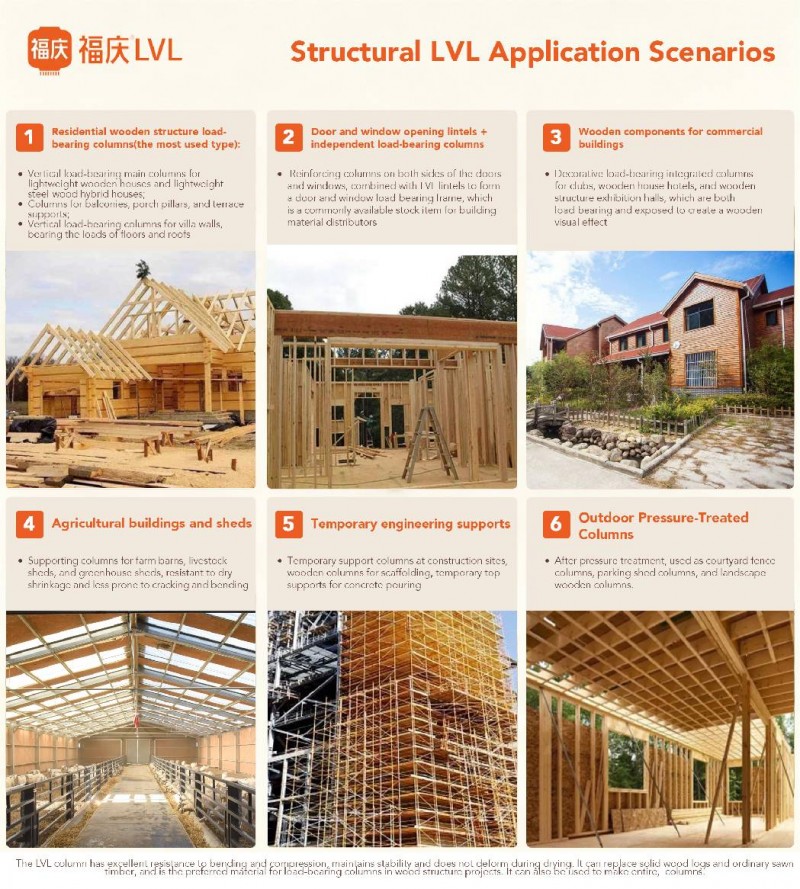
Because of its stiffness, dimensional stability and engineered consistency, E13 LVL can be considered for a wide range of structural applications, subject to project-specific engineering design.
Floor Beams and Floor Framing
Floor structures need to control both load and deflection. E13 LVL can be used where designers require stable structural members for floor beams, bearers and other load-bearing components. Its consistent stiffness also makes it suitable for engineered floor systems where dimensional accuracy is important.
Roof Beams and Rafters
Roof structures may involve long spans, concentrated loads and strict alignment requirements. Structural LVL provides consistent dimensions and predictable engineering properties, making it suitable for selected roof beams, rafters and related framing applications.
Headers and Large Openings
Large windows, doors and open-plan layouts often require structural members capable of transferring loads across wider openings. LVL headers and beams can provide an efficient engineered solution where the appropriate section size and design properties are specified.
Timber and Modular Construction
Prefabricated and modular building systems depend heavily on repeatability. Consistent dimensions and engineering properties make structural LVL particularly suitable for factory-controlled building systems where components need to fit accurately during assembly.
I-Joist and Engineered Wood Systems
LVL can also be manufactured for use as structural components in engineered wood systems, including selected I-joist applications. The exact specification should be determined according to the required structural properties, connection design and applicable market standards.
How to Choose the Right E13 LVL Size
One of the most common mistakes when purchasing structural LVL is selecting a product based only on the E-rating.
E13 does not determine beam size.
The correct LVL section depends on several factors, including:
Clear span
Dead load
Live load
Point loads
Beam spacing
Bearing conditions
Deflection limits
Connection design
Service environment
Applicable building codes
For example, two projects may both specify E13 LVL but require completely different beam depths and thicknesses because their spans and loads are different.
For this reason, buyers should provide their supplier with as much project information as possible rather than simply requesting “E13 LVL”.
Information to Provide When Requesting a Quote
1. Required LVL grade or engineering properties
2. Thickness × depth × length
3. Intended application
4. Required quantity
5. Destination market
6. Required standard or certification
7. Moisture and exposure requirements
8. Drawings or load information, where applicable
This allows the manufacturer to evaluate whether the requested product specification matches the intended application.
What Should Buyers Check When Sourcing E13 LVL?
Price per cubic metre is important—but for structural LVL, it should never be the only purchasing criterion.
1. Verified Structural Properties
Ask for technical data showing relevant engineering properties rather than relying only on the product name “E13”. Depending on the application, this may include modulus of elasticity, bending strength, shear strength, compression properties, density and moisture content.
2. Manufacturing Consistency
Structural LVL depends heavily on veneer grading, lay-up design, adhesive control, pressing and quality inspection. Stable manufacturing processes help reduce variation between production batches.
3. Product Traceability and Testing
For structural projects, buyers should confirm how the manufacturer controls raw materials, production records and finished-product testing.
4. Market-Specific Compliance
Structural requirements differ between countries. The required product specification and documentation should therefore be confirmed according to the destination market, intended application and applicable building standards.
5. Supply Capability
For developers, distributors and prefabrication manufacturers, reliable supply can be as important as product performance. Buyers should evaluate production capacity, available dimensions, customization capability, packaging and delivery reliability before committing to a long-term supplier.
How Fuqing Controls Structural LVL Quality
For structural LVL, reliable performance begins long before the finished beam leaves the factory.
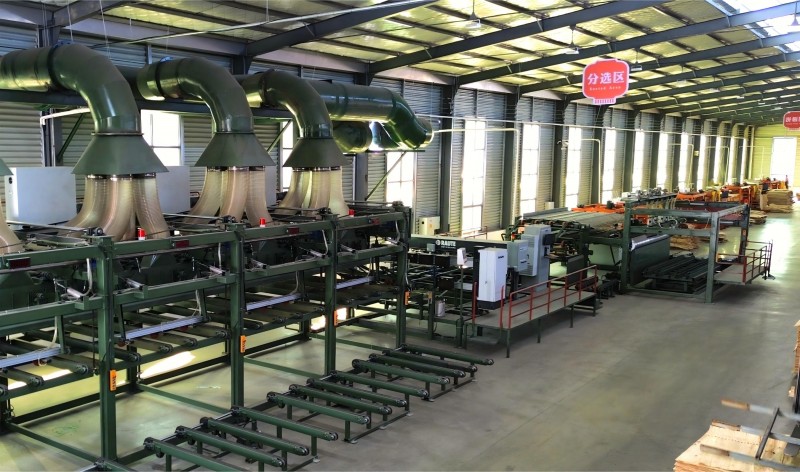
Fuqing Wood Industry has specialized in wood products manufacturing since 1990, developing an integrated production system covering raw material processing, veneer preparation, adhesive control, lay-up, hot pressing, finishing and product inspection.
For structural LVL production, Fuqing focuses on several critical control points:
Veneer Grading
Veneer quality and mechanical properties directly influence finished LVL performance. Controlled veneer selection and lay-up help achieve more consistent structural properties.
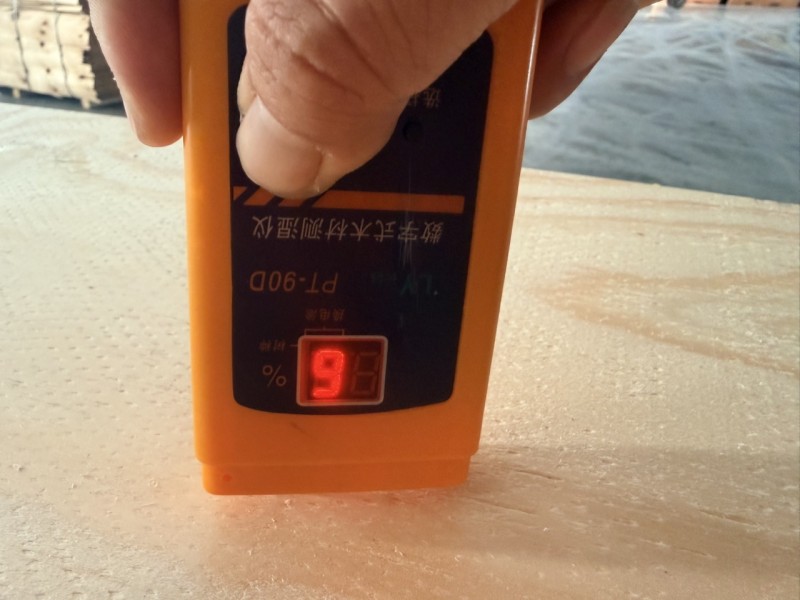
Moisture Control
Moisture is controlled throughout the production process to support stable bonding and dimensional performance.
Adhesive and Bonding Control
Bonding quality is critical to long-term LVL performance. Fuqing controls adhesive preparation, glue application and pressing parameters throughout production.
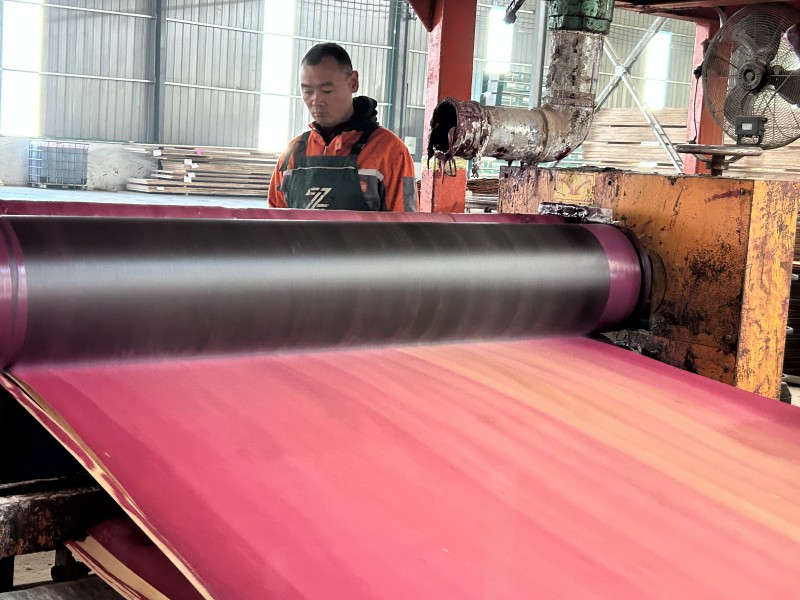
Standardized Production
Key production stages are managed through standardized procedures to improve batch-to-batch consistency.
Product Testing
Finished products are inspected and tested according to product and customer requirements before shipment.
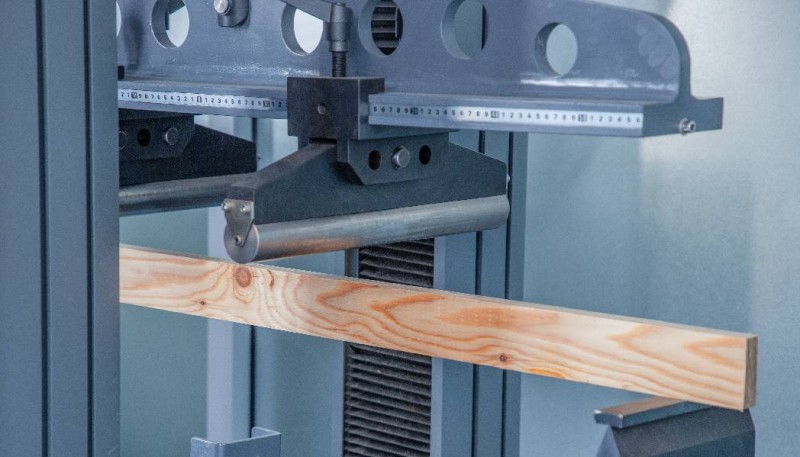
For international buyers, this means Fuqing is not simply supplying a piece of LVL—we work to provide a repeatable engineered wood product backed by controlled manufacturing and quality management.
Fuqing E13 Structural LVL Solutions
Fuqing supplies structural LVL for customers in international construction and engineered wood markets.
Depending on project and market requirements, we can support applications including:
Floor and roof framing
Structural beams
Headers and lintels
Timber-frame construction
Prefabricated and modular housing
Engineered wood components
I-joist-related applications
Beyond standard supply, Fuqing can work with importers, distributors, component manufacturers and building-system companies to develop specifications based on required dimensions, applications and target-market requirements.
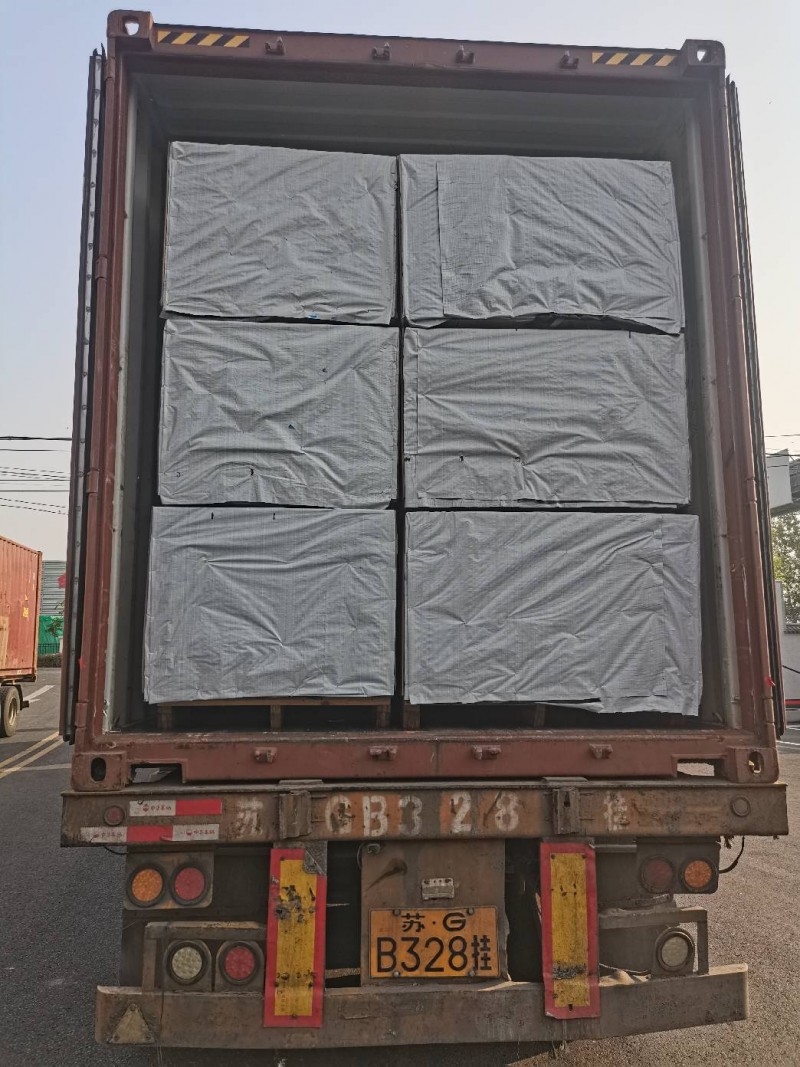
With China and Vietnam production capabilities, Fuqing can also support international customers with more flexible production and supply-chain options.
Our goal is not simply to sell a higher E-grade.
It is to help customers identify the right LVL specification for the right application.
Installation and Storage of Structural LVL
Even correctly specified LVL can underperform if it is improperly stored, handled or installed.
Good site practices include:
Store LVL flat and adequately supported
Protect products from prolonged exposure to rain and moisture
Follow the specified bearing requirements
Use approved fasteners and connectors
Follow structural drawings and connection details
Do not drill, notch or cut structural members outside approved details
Provide temporary bracing or support where required during installation
Installation requirements should always follow the structural engineer’s design, product documentation and applicable local building requirements.
Common Misunderstandings About E13 LVL
Myth 1: E13 means the LVL has a strength of 13 MPa.
Fact: The E-rating relates to modulus of elasticity, or stiffness. It should not be confused with bending strength or other strength properties.
Myth 2: Higher E-rating always means a smaller beam.
Fact: Beam dimensions depend on span, loads, deflection limits, connections and other design conditions. Material stiffness is only one part of structural design.
Myth 3: All E13 LVL products are identical.
Fact: Product properties can vary between manufacturers. Buyers should check verified technical data, manufacturing standards and project-specific compliance.
Myth 4: E13 LVL is suitable for every structural application.
Fact: Product selection must consider the complete engineering requirements and applicable standards of the project.
Myth 5: Structural LVL is simply ordinary timber laminated together.
Fact: Structural LVL is an engineered wood product whose performance depends on controlled veneer selection, lay-up, bonding, pressing and quality verification.
Frequently Asked Questions About E13 LVL
What does E13 mean in LVL?
E13 generally refers to an LVL stiffness level in the region of 13 GPa modulus of elasticity. The exact declared design value should always be confirmed using the manufacturer’s technical data.
Is E13 LVL stronger than conventional timber?
Not necessarily in every property. E13 primarily describes stiffness. One of LVL’s key advantages is its engineered consistency and dimensional stability compared with naturally variable solid timber.
Can E13 LVL be used for long spans?
It can be suitable for longer-span structural applications where the engineering design permits. Span capability depends on beam dimensions, loading, support conditions, deflection limits and verified structural properties.
What is E13 LVL used for?
Typical applications can include floor beams, roof framing, headers, structural framing, prefabricated construction and engineered wood systems.
How do I choose the correct E13 LVL beam size?
Beam size should be determined through structural design based on span, loading, support conditions, deflection requirements and applicable building codes.
Can Fuqing manufacture customized structural LVL?
Fuqing supports structural LVL supply in different dimensions and specifications according to project, application and destination-market requirements. Contact our team with your required size, quantity, application and technical requirements for specification confirmation.
Looking for an E13 LVL Manufacturer?
If you are sourcing structural LVL for construction, distribution, prefabricated housing or engineered wood manufacturing, choosing the right supplier involves more than comparing price.
You need verified performance, manufacturing consistency, reliable supply and a specification that matches your application.
Fuqing Wood Industry has been manufacturing wood products since 1990 and supplies engineered wood solutions to international markets.
Send us your required LVL grade, dimensions, quantity, application and destination market. Our team can help confirm the appropriate product specification and provide a quotation for your project.
REQUEST A QUOTE | VIEW E13 STRUCTURAL LVL | CONTACT FUQING